Author name: Daniel Brooks

Daniel Brooks is a digital productivity researcher and online tools specialist based in the United States. He focuses on testing and reviewing practical web-based tools that improve efficiency, accuracy, and workflow management. With years of hands-on experience exploring online calculators, file converters, and task management systems, Daniel aims to simplify complex digital processes for everyday users. His work is centered around clarity, usability, and real-world application rather than technical jargon. At BuzzBall.us, Daniel publishes detailed guides and tool reviews designed to help students, professionals, freelancers, and small business owners save time and make smarter decisions online. He believes that the best tools are those that are simple, secure, and accessible to everyone.

Legal Age to Work and Drive in USA 2026 State-by-State Guide
Uncategorized

Legal Age to Work and Drive in USA 2026: State-by-State Guide

Legal Age to Work, Drive, and Beyond in the USA: The Ultimate 2026 Comprehensive Guide The journey toward independence in the United States is more than just a birthday cake; it is a complex transition through federal and state-level legalities. As we navigate through 2026, the landscape for young Americans has shifted. From new labor protections in Michigan to AI-driven changes in the job market, being “of age” is a moving target. In this 1600-word master guide, we break down every milestone—from your first paycheck to your first solo drive—providing the clarity you need to stay compliant with 2026 regulations. 1. The Evolution of Youth Labor: 2026 Updates Historically, the US has moved from widespread child labor in the 1800s to a highly protected environment. In 2026, the focus has shifted toward “Safe Empowerment.” Federal FLSA Standards The Fair Labor Standards Act (FLSA) remains the backbone of youth employment. 2026 State-Specific Shifts Verification Tip: Because laws like Michigan’s depend on your exact birth date, use our Age Calculator to ensure you are registered under the correct age bracket to avoid permit delays. 2. The AI Revolution: How 2026 Jobs Have Changed A 1600-word guide in 2026 would be incomplete without discussing Artificial Intelligence. The “Entry-Level Gap” Recent 2026 reports from the Dallas Fed and IMF show that “AI Exposure” is highest in entry-level roles. Skill-Based Hiring 73% of US teens in a January 2026 survey expressed optimism about AI. Forward-thinking states are now allowing “Technical Education” hours to count toward work experience, especially in Washington State (HB 1121), where 16-year-olds in tech programs can now work longer hours. 3. Driving in America: The GDL Journey Driving laws in the US weren’t standardized until 1926. Exactly 100 years later, the Graduated Driver Licensing (GDL) system is more sophisticated than ever. The History of the 16-Year-Old Driver In 1926, the Uniform Vehicle Code first recommended 16 as the minimum age. Before that, you could drive at 14 in California or 18 in Pennsylvania. Today, while 16 is the “standard,” the permit ages are where the real variation lies. 2026 Permit & Restricted License Breakdown The “Leap Year” DMV Trap DMV systems are notoriously rigid. If a state requires you to be “15 and 6 months,” and you miscalculate because of a leap year, their system will block your appointment. 4. Beyond Work and Driving: Other Legal Milestones Independence isn’t just about a car and a job. It’s about legal responsibility. Military Enlistment (Age 17-18) In 2026, all branches (Army, Navy, Air Force, Marine Corps, Space Force) allow enlistment at 17 with parental consent. Marriage and Contracts 5. Comprehensive 2026 State Comparison Table State Working Age (Permit) Permit Age (Driving) Night Curfew (Teens) 2026 Special Rule New York 14 16 9 PM Strict “Junior License” rules in NYC Texas 14 15 Midnight High flexibility for agricultural work Michigan 14 14 yrs 9 mos 10 PM New Digital Permit Registry (HB 5594) Oregon 14 15 Midnight Higher fines for labor violations Florida 14 15 11 PM Parental waivers for 40-hr weeks 6. Financial Milestones: Taxes and Insurance Your age also determines your “Financial Identity” in the US. The “Rate Drop” Birthday Auto insurance for a 16-year-old is the highest in the world. However, data shows that once a driver turns 19 and then 25, insurance premiums drop significantly (sometimes by 30% or more). Filing Taxes as a Minor If a 15-year-old earns more than $14,600 (the 2026 standard deduction estimate), they must file their own tax return. Even if they earn less, they should file to get back any withheld federal income tax. 7. Legal Age to Work and Drive in USA 2026 (FAQ) Q: Can a 14-year-old work in a factory? A: No. Factories are considered “Hazardous.” 14-year-olds are limited to retail, food service (non-cooking), and office work. Q: What happens if I drive past my curfew in 2026? A: In states like California or New York, this can lead to a license suspension and points on your record, which will double your insurance rates. Q: Why does the DMV use “Days” instead of “Months”? A: Months vary in length (28 to 31 days). To be fair and precise, government algorithms often calculate age in total days since birth. Conclusion: Precision in the Modern Age Being a teenager or a young adult in 2026 is exciting but legally demanding. With laws changing as fast as the technology around us, you cannot afford to “guess” your eligibility. From the new digital permits in Michigan to the automatic Selective Service registration in December, staying informed is your greatest tool for success. Use the resources available, respect the state-mandated curfews, and always use a precision Age Calculator to ensure your milestones are met with zero legal friction. Disclaimer: This article is for educational purposes. Laws are subject to change by local legislatures. Always verify with the US Department of Labor or your local Secretary of State office.
List of Highest Paying Side Hustles USA 2026 for remote workers
Freelance Economy

10 Highest Paying Side Hustles USA 2026: Remote Work Guide

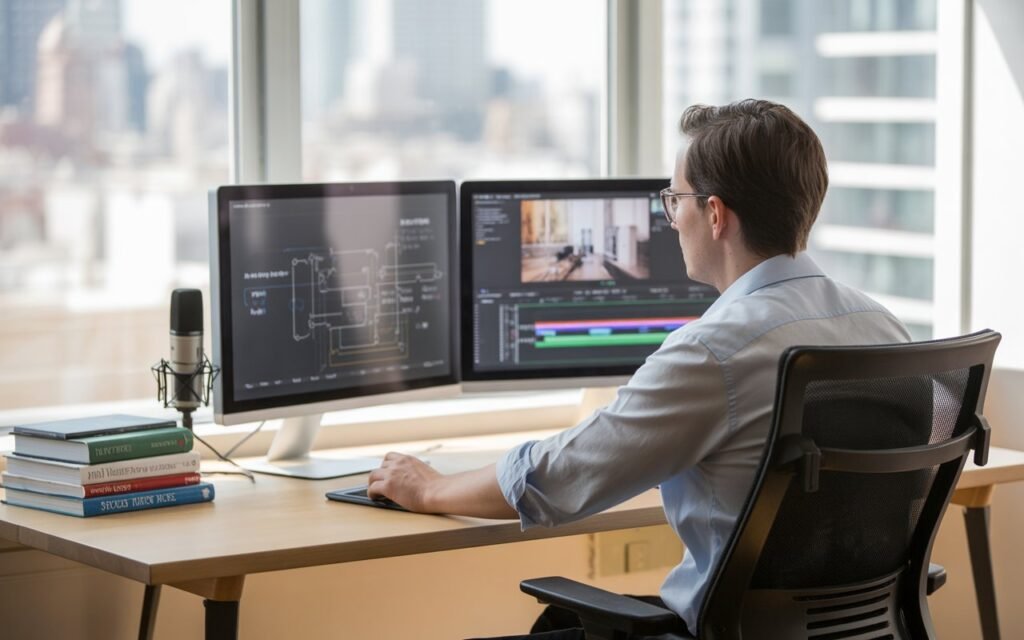
The 10 Highest Paying Side Hustles in the USA for 2026: A Remote Work Guide Highest Paying Side Hustles USA 2026: The American labor market has reached a tipping point in 2026. With inflation and the rapid integration of Artificial Intelligence (AI) into every industry, a single source of income is no longer enough for many households. However, the old side hustles of the past—like simple data entry or basic transcription—are being replaced by high-value, tech-enabled roles that pay significantly more. If you are looking to bolster your bank account in 2026, you need to target niches where demand outstrips supply. In this 1600-word comprehensive guide, we explore the top 10 highest-paying side hustles in the United States, complete with earning potential and required skills. 1. AI Prompt Engineering & Automation AI is no longer a buzzword; it’s a workplace staple. Companies are desperate for people who can talk to AI effectively. 2. Fractional Finance & Bookkeeping Small businesses in the US are moving away from full-time accountants in favor of “fractional” help. 3. Cybersecurity Consulting for Small Businesses With cyber-attacks becoming more sophisticated, small US businesses (who can’t afford a full-time security team) are hiring freelancers to protect their data. 4. No-Code Web Development In 2026, you don’t need to be a master of Java or C++ to build powerful software. 5. Specialized Content Strategy & Ghostwriting While AI can write “okay” content, US brands are paying a premium for human creativity and deep industry expertise. 6. Video Editing for Short-Form Media TikTok, Reels, and YouTube Shorts are the primary marketing channels in 2026. 7. Virtual Assistant for High-Net-Worth Individuals (HNWIs) This isn’t just about answering emails. In 2026, the “Executive VA” handles everything from travel logistics to crypto-portfolio tracking. 8. Data Science & Predictive Analytics Companies have mountains of data but need help turning it into “Actionable Insights.” 9. UX/UI Design Strategy As the web becomes more crowded, “User Experience” is the only thing that keeps customers on a site. 10. Digital Marketing & Paid Ad Management US businesses are spending billions on Google and Meta Ads. They need experts to ensure they don’t waste their budget. Strategic Advice for 2026 Side-Hustlers To succeed in the USA market, you cannot just be a “Generalist.” You must follow these three rules: A. The Niche Rule Instead of saying “I am a writer,” say “I am a Finance Writer for Fintech Startups.” The more specific you are, the higher you can charge. B. Master the “Human-AI” Hybrid Workflow Don’t fight AI; use it to work faster. If a project takes a competitor 10 hours but you can do it in 2 hours using AI (without losing quality), your effective hourly rate quintuples. C. Build a Personal Brand on LinkedIn In the US, your LinkedIn profile is your resume. Share insights, comment on industry trends, and show potential clients that you are a “Thought Leader.” Highest Paying Side Hustles USA 2026 (FAQ) Q: Do I need a degree for these side hustles? A: In 2026, “Skills-Based Hiring” is the norm. Clients care more about your portfolio and certifications than your college degree. Q: How do I find US-based clients? A: Upwork and FlexJobs remain top platforms, but direct outreach on LinkedIn is the most effective way to find high-paying retainers. Q: Can I do these part-time? A: Yes. Most of these roles are “Asynchronous,” meaning you can do the work at night or on weekends as long as you meet the deadlines. Conclusion The path to financial freedom in 2026 lies in specialized, high-demand skills. Whether you are mastering AI Prompt Engineering or managing Fractional Finance, the opportunities for US freelancers have never been greater. Start by picking one skill, building a small portfolio, and pitching your first client today. Disclaimer: Income figures are based on 2026 market averages and can vary based on experience, location, and specific client requirements.

2026 US Tax Guide for Freelancers
US Tax Insights

2026 US Tax Guide for Freelancers: New Mileage Rates & Brackets

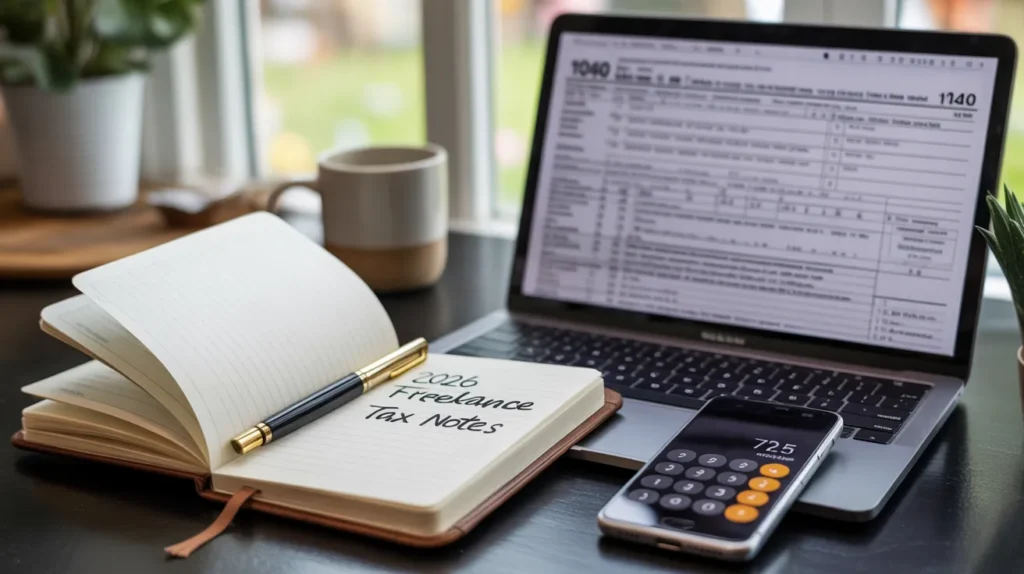
The Definitive 2026 US Tax Guide for Freelancers: Mileage, Brackets, and Wealth Strategy 2026 US Tax Guide for Freelancers: The landscape of independent work in the United States has undergone a seismic shift as we enter the 2026 fiscal year. With nearly 45% of the American workforce now identifying as part-time or full-time freelancers, the Internal Revenue Service (IRS) has tightened its digital tracking while offering new inflation-adjusted reliefs. For the modern American freelancer, tax season is no longer a once-a-year headache; it is a year-round strategic operation. This 1600-word guide serves as your roadmap to navigating the complex 2026 tax codes, maximizing your “write-offs,” and ensuring you keep more of what you earn. 1. The 2026 Standard Mileage Rate: A Deep Dive The most used deduction for the US workforce is the vehicle mileage rate. Whether you are a creative director driving to a studio in Los Angeles or a gig worker delivering groceries in New York, understanding this rate is vital. Why the Rate Increased to 72.5 Cents For 2026, the IRS has officially set the standard mileage rate at 72.5 cents per mile. This is a significant jump from 2025. This increase isn’t random; it accounts for: Standard Mileage vs. Actual Expenses: Which is Better? Many freelancers leave money on the table by choosing the wrong method. 2. Federal Income Tax Brackets: The 2026 Inflation Adjustment The US uses a “marginal” tax system. This means you don’t pay one flat rate on all your money. Instead, different portions of your income are taxed at different rates. For 2026, the thresholds have been shifted upward to protect taxpayers from “bracket creep.” 2026 Brackets for Single Filers (The Freelancer Standard) How “Marginal” Rates Actually Work If you earn $60,000 in net profit, you are not paying 22% on the whole $60k. You pay 10% on the first chunk, 12% on the middle chunk, and only 22% on the amount that exceeds $50,400. This is a common misconception that often scares freelancers from earning more. 3. Self-Employment Tax: The “Double-Sided” Reality When you work for a company (W2), they pay half of your Social Security and Medicare. When you are the boss (1099), you pay both halves. The 15.3% Breakdown This tax is calculated on 92.35% of your net earnings. The 2026 Social Security Cap In 2026, the IRS has set the Social Security wage base at $184,500. 4. State-Level Taxes: What You Need to Know in 2026 Federal tax is only half the battle. Depending on where you live in the US, your state tax can drastically change your “Net Take-Home Pay.” High-Tax States vs. Zero-Tax States 5. Advanced Deductions: Beyond the Basics To get your taxable income as low as possible, you need to look at “Hidden Deductions.” The “Home Office” Exclusive Use Rule The IRS is very strict about this in 2026. To qualify, your space must be your “Principal Place of Business.” 2026 Equipment Depreciation (Section 179) Did you buy a high-end MacBook Pro or a 4K camera for your freelance business in 2026? Under Section 179, you don’t have to deduct it over 5 years. You can often deduct the full 100% cost in the year you bought it. This is a massive “Tax Shield” if you have a high-profit year. AI and Digital Subscriptions In 2026, your “Digital Stack” is fully deductible. 6. Retirement Planning for Freelancers (The Best Tax Loophole) The best way to lower your tax bill is to “pay yourself.” The IRS incentivizes freelancers to save for retirement. SEP-IRA (Simplified Employee Pension) You can contribute up to 25% of your net earnings (up to a cap of roughly $70,000 in 2026). Solo 401(k) This is for the “Solopreneur.” It allows even higher contribution limits and often includes a “Roth” option for tax-free growth. 7. Audit Protection: Don’t Let the IRS Flag You In 2026, the IRS has increased its “AI-Driven Audits.” They use algorithms to find “outliers.” How to Stay Safe: 8. Quarterly Estimated Payments: The 2026 Deadlines Freelancers are required to pay taxes as they earn. If you wait until April 2027 to pay your 2026 taxes, you will hit a massive “Underpayment Penalty.” 2026 Deadlines: 9. Frequently Asked Questions (2026 US Tax Guide for Freelancers) Q: Can I deduct my pet’s expenses? A: Only if it is a certified service animal or, in very rare cases, a “guard dog” for a physical business location. For home-based freelancers, the answer is almost always No. Q: What if I have a W2 job and a freelance side-hustle? A: You combine both incomes. Your W2 employer’s withholding might cover some of your freelance tax, but you should still calculate your estimated payments to be safe. Q: Can I deduct health insurance for my spouse? A: Yes, if you are self-employed and have no other access to a group health plan, you can deduct premiums for yourself, your spouse, and your dependents. Conclusion: Building a Wealthy Freelance Future Navigating the 2026 tax landscape requires more than just a calculator; it requires a mindset shift. By utilizing the 72.5-cent mileage rate, leveraging Section 179 depreciation, and contributing to a SEP-IRA, you aren’t just “paying taxes”—you are engineering your financial freedom. The IRS rules are complex, but they are also full of opportunities for those who take the time to read them. Stay diligent, keep your receipts, and remember: every dollar you legally deduct is a dollar you can reinvest in your dreams. Disclaimer: Buzzball.us provides this information for educational purposes only. Tax laws are subject to change, and individual circumstances vary. Always consult with a Certified Public Accountant (CPA) or Tax Attorney before making financial decisions.

how Agentic AI is revolutionizing the future of work in 2026
Guides & Tutorials

How Agentic AI is revolutionising the future of work in 2026

Beyond ChatGPT: Why 2026 is the Year of ‘Agentic AI’ and How It’s Changing the American Workplace The landscape of Artificial Intelligence in the United States has shifted dramatically. If 2023 was the year of “asking” AI (Generative AI) and 2024 was the year of “refining” AI, then 2026 is officially the year of “doing” AI. We have moved past simple chatbots like the early versions of ChatGPT. Today, we are witnessing the rise of Agentic AI—autonomous digital entities that don’t just talk; they execute. For professionals in New York’s financial hubs to tech startups in Silicon Valley, the question is no longer “How do I use AI?” but “Which AI agents are on my team?” In this comprehensive guide, we’ll explore how Agentic AI is redefining the future of work in the USA and why this “Agentic Leap” is the most significant technological shift of the decade. What is Agentic AI? (Moving from Prompts to Projects) To understand why Agentic AI is a game-changer, we first need to distinguish it from the Generative AI we’ve used before. Traditional Generative AI (like GPT-4) is reactive. You give it a prompt, and it gives you a response. If you want to plan a business trip, you ask it for flights, then you manually book them. You ask for an itinerary, then you manually add it to your calendar. Agentic AI is proactive. It operates on a “Sense-Decide-Act-Learn” loop. Instead of giving it a step-by-step prompt, you give it an objective. Example: “Organize a three-day sales conference in Austin for 50 people within a $20,000 budget.” An AI Agent doesn’t just list hotels. It contacts venues for quotes, checks your team’s calendars, cross-references flight prices, and presents you with a finalized plan—or even executes the bookings if given permission. It acts as an autonomous digital coworker rather than a software tool. Why 2026 is the “Agentic Leap” for the USA According to recent industry reports from PwC and Deloitte, nearly 50% of US enterprises have moved from piloting AI to full-scale “Agentic Workflows” in 2026. This shift is driven by three major factors: 1. The Rise of Multi-Agent Systems (MAS) In 2026, we no longer rely on one “super-intelligent” model. Instead, we use Multi-Agent Systems. Imagine a digital office where one AI agent specializes in “Market Research,” another in “Content Strategy,” and a third in “Financial Compliance.” These agents talk to each other, critique each other’s work, and deliver a polished final product. 2. Edge Computing and Privacy With the introduction of specialized chips in the latest MacBooks and Windows Copilot+ PCs, Agentic AI now runs locally on your device. For American businesses concerned about data privacy and the CCPA (California Consumer Privacy Act), this means AI can handle sensitive client data without ever sending it to a cloud server. 3. Small Language Models (SLMs) The trend in 2026 has shifted from “bigger is better” to “smaller and faster.” Optimized SLMs (Small Language Models) allow agents to perform specific tasks—like legal document review or medical coding—with 99% accuracy while using a fraction of the power of GPT-5. How Agentic AI is Transforming Major US Industries 1. Healthcare: From Admin to Advocacy In US hospitals, “Agentic Scribes” have replaced manual data entry. These agents listen to patient-doctor consultations (with consent), update Electronic Health Records (EHR) in real-time, and even flag potential drug interactions by scanning the patient’s entire history in seconds. This is saving American doctors an average of 15 hours per week on paperwork. 2. Finance and Wall Street In 2026, high-frequency trading has evolved into Autonomous Financial Orchestration. AI agents monitor global news, social media sentiment, and SEC filings simultaneously. They don’t just alert traders; they rebalance portfolios autonomously based on pre-set risk thresholds, responding to market volatility faster than any human could. 3. Small Businesses and the “One-Person Unicorn” The most exciting impact is on US Small Businesses (SMBs). Tools like Lindy and Relevance AI allow a solo entrepreneur to “hire” a full marketing and sales team of AI agents. These agents handle lead generation, customer support via “Fin AI,” and even automated bookkeeping through QuickBooks-integrated agents. The Top AI Agent Tools for Productivity in 2026 If you are looking to integrate Agentic AI into your workflow today, these are the leading tools dominating the US market: Tool Name Best For Key Feature Microsoft 365 Copilot Corporate Teams Fully embedded in Excel, Word, and Outlook for autonomous workflow management. CrewAI Multi-Tasking Allows you to coordinate a “crew” of agents to handle complex projects. Lindy SMBs & Personal Use A no-code platform to “hire” AI employees for admin and sales. Zapier Central Automation Connects AI agents to over 6,000+ apps like Slack, HubSpot, and Gmail. Workday AI HR & Finance Automates payroll, employee onboarding, and financial auditing. The “Human-in-the-Loop” Model: A New Leadership Skill One of the biggest misconceptions in 2026 is that Agentic AI will replace humans. On the contrary, it is creating a new role: The Agent Orchestrator. As a manager in the US today, your job is shifting from Task Management to System Design. You no longer spend your morning assigning emails; you spend it setting the “Guardrails” and “Objectives” for your AI agents. Key skills for the 2026 workforce: Challenges and Ethics: The Road Ahead While the benefits are immense, the “Agentic Revolution” in America faces significant hurdles: SEO Tips for 2026: How to Rank in an AI-Driven Search World For blog owners like BuzzBall.us, ranking on Google in 2026 requires a different strategy. Since Google now uses AI Overviews (SGE) to answer questions directly, you must: Conclusion: Embracing the Autonomous Future The transition to Agentic AI represents the most profound shift in the American workplace since the introduction of the internet. By 2027, it is estimated that 80% of all digital tasks in the USA will involve some form of autonomous agent. Whether you are a freelancer, a small business owner, or a CEO of a Fortune 500 company, the goal remains the same: Augmentation

How to Convert PDF to Word Without Losing Formatting
Guides & Tutorials

how to convert PDF to Word without losing formatting

How to Convert PDF to Word Without Losing Formatting how to convert PDF to Word without losing formatting Converting a PDF file into a Word document sounds simple — until you open the converted file and realize that the formatting is completely broken. Tables are misaligned, fonts change, images shift positions, and spacing becomes inconsistent. If you have ever faced this issue, you are not alone. I have personally dealt with formatting problems while converting contracts, reports, and structured documents. Through trial and error, I learned that preserving formatting depends on the method and tool you use. In this step-by-step guide, I will show you how to convert PDF to Word without losing formatting and explain the common mistakes to avoid. Why Formatting Gets Lost During Conversion Before jumping into solutions, it is important to understand why formatting breaks. PDF files are designed for viewing and sharing — not editing. They lock content into a fixed layout. When converting to Word, the tool must interpret that layout and rebuild it as an editable document. Formatting issues usually happen because: Knowing this helps you choose the right approach. Step 1: Identify the Type of PDF There are two main types of PDF files: 1. Text-Based PDF This type contains selectable text. You can highlight and copy words. Conversion is usually easier and more accurate. 2. Scanned (Image-Based) PDF This type is essentially an image of text. You cannot highlight words. For this type, you need a converter with OCR (Optical Character Recognition) support. Before converting, always check which type of PDF you are working with. Step 2: Choose the Right Conversion Tool Not all PDF to Word converters are equal. For best formatting retention, consider tools that: In my experience, official tools from well-known providers often retain formatting better than unknown free converters. However, even free tools can work well for simple documents. Step 3: Adjust Conversion Settings (If Available) Some converters offer advanced settings such as: If available, always select “Preserve Layout” or similar options. Skipping this step often results in broken formatting. Step 4: Review and Clean Up the Word File Even the best converters may require minor adjustments. After conversion: Usually, minor edits take only a few minutes. Step 5: Save in the Correct Word Format After making adjustments: Saving properly ensures long-term usability. How to Convert Scanned PDFs Without Formatting Issues Scanned PDFs require OCR technology. When converting scanned documents: OCR tools sometimes misread characters, so proofreading is important. Common Formatting Problems and Solutions Problem: Tables Shift or Break Solution: Problem: Fonts Change Solution: Problem: Spacing Issues Solution: Problem: Images Move Solution: Best Practices to Maintain Formatting Here are some tips I follow personally: Taking these steps reduces errors significantly. Online Converter vs Desktop Software Online tools are convenient and free, but desktop software often provides: If you frequently convert important documents, desktop tools may be worth considering. Security Considerations Before uploading files online: Security should always be a priority. Frequently Asked Questions Can I learn how to convert PDF to Word without losing formatting? While perfect formatting is not always guaranteed, using the right tools and settings significantly improves results. What is OCR? OCR stands for Optical Character Recognition. It converts scanned images of text into editable text. Why does my converted file look different? Formatting differences occur due to layout reconstruction during conversion. Is there a completely free solution? Yes, many free tools work well for simple documents, though complex layouts may require premium tools. Final Thoughts: how to convert PDF to Word without losing formatting Learning how to convert PDF to Word without losing formatting can save you time and frustration. While no method guarantees 100% perfection for every file, choosing the right tool and following proper steps greatly improves results. From personal experience, checking the PDF type, selecting the correct settings, and reviewing the final document are the most important steps. If you regularly work with PDF documents, mastering this process will make your workflow much smoother. Related Article

Android settings to disable 2026
Guides & Tutorials

10 Android Settings to Disable in 2026 for Privacy & Battery

10 Essential Android Settings You Must Disable in 2026 to Protect Your Privacy and Save Battery The Android settings to disable 2026 ecosystem are vastly different from what they were just a few years ago. With the deep integration of Generative AI at the kernel level, our smartphones are no longer just communication devices—they are data-hungry personal assistants. While these AI features aim to make our lives easier, they operate by constantly monitoring our habits, location, and even the way we move. If you have noticed that your Android device—whether it’s a Samsung, Pixel, or OnePlus—is losing battery faster than usual or showing you ads that feel “too personal,” it’s time to take control. In this 1200-word deep dive, we will explore 10 hidden settings that you should disable immediately to reclaim your privacy and extend your hardware’s lifespan. 1. The AI Advertising ID: Beyond Simple Tracking In 2026, advertisers no longer just track what you click; they use AI models to predict what you will click. This is made possible through your unique Advertising ID. This ID is a digital fingerprint that follows you across every app you install. 2. Precise Location vs. Privacy Balance By 2026, Android’s location services have become eerily accurate, down to a few centimeters. While this is great for Google Maps or Uber, why does a simple “Calculator” or “Notes” app need to know your exact coordinates? 3. The “Usage & Diagnostics” Battery Drain This is perhaps the most “hidden” setting on this list. By default, your Android phone is programmed to help Google improve its OS by sending background reports about how your system is performing, which apps crash, and how long you use your phone. 4. Nearby Device Scanning: The Constant Ping Your Android phone is constantly “screaming” into the digital void, looking for smart watches, earphones, or nearby TVs—even when you aren’t using Bluetooth. This is called Nearby Device Scanning. 5. Background Data: The Silent Data Eater Many apps, especially social media platforms like TikTok, Instagram, and “X,” are designed to be ready the second you open them. They do this by “fetching” new content in the background every few minutes. 6. Wi-Fi and Bluetooth Scanning for Location Most users believe that turning off Wi-Fi and Bluetooth from the notification shade stops the hardware. It doesn’t. Android uses “Scanning” to help improve location accuracy by detecting nearby Wi-Fi networks and Bluetooth beacons. 7. Google Location History (Timeline) In 2026, Google’s “Timeline” is a hyper-detailed map of everywhere you have ever been with your phone. While useful for “memory lane” moments, it’s a goldmine for anyone who might gain access to your account. 8. Sensative Notifications on Lock Screen We often forget that privacy isn’t just about hackers—it’s about the person sitting next to you at a cafe. In 2026, AI “Smart Replies” often display the actual content of your private messages directly on the lock screen. 9. Adaptive Connectivity Adaptive Connectivity is a feature that automatically switches between 5G and 4G to save battery. However, in 2026, the constant “switching” logic often gets stuck in a loop, especially in areas with patchy 5G coverage, causing the phone to heat up. 10. Install Unknown Apps (Browser Permission) Security is the cornerstone of privacy. By default, some configurations allow browsers to prompt for APK installations. In an era of sophisticated “Drive-by downloads,” this is a massive vulnerability. The 2026 Battery Audit: How to Check Your Progress After disabling these 10 settings, I recommend performing a “Battery Audit.” Charge your phone to 100% and use it normally for 24 hours. Check Settings > Battery > Battery Usage. You should notice that “System” and “Google Play Services” are no longer at the top of the consumption list. Instead, the apps you actually use will be the primary consumers. FAQ: Android Optimization in 2026 Q1: Will turning off “Nearby Device Scanning” affect my Galaxy Watch or Pixel Buds? No. Your paired devices use a direct Bluetooth connection. Scanning is only for “discovering” new, unpaired devices in the background. Q2: Is “Approximate Location” safe for weather apps? Yes. A weather app only needs to know your city, not your street address. Using approximate location is perfect for these types of services. Q3: Does disabling “Usage & Diagnostics” stop system updates? Not at all. Your phone will still receive official Android security patches and OS updates as usual. Q4: How often should I check these settings? Every time you perform a major Android OS update (e.g., moving from Android 16 to 17), Google may reset some of these to “Default.” It’s good practice to check them every 6 months. Q5: Will my phone be less “smart” if I turn off AI Advertising? Your phone will still be smart, but it will be less “creepy.” You won’t see ads for a product just because you mentioned it in a conversation near your phone. Android settings to disable 2026: Conclusion Optimizing an Android device in 2026 is about finding the balance between convenience and control. By disabling these 10 settings, you aren’t making your phone “dumb”—you are making it efficient. You are telling the OS that you value your battery life and your personal data more than Google’s diagnostic reports or an advertiser’s prediction model. Take 10 minutes today to go through this list. Your battery (and your privacy) will thank you. Read More Article

Free Online To-Do List Tool
Productivity Tools

Free Online To-Do List Tool (Simple & Smart Task Manager)

Free Online To-Do List Tool Staying productive is not about working harder — it is about working smarter. One of the simplest yet most powerful ways to stay organized is by using a free online to-do list tool. Whether you are a student, professional, freelancer, or business owner, keeping track of tasks can feel overwhelming. Deadlines, meetings, assignments, and daily responsibilities quickly pile up. I personally found that once I started using a structured to-do list system, my focus and efficiency improved significantly. In this guide, we will explore how an online to-do list tool works, why it boosts productivity, and how you can use it effectively. What Is an Online To-Do List Tool? An online to-do list tool is a digital task manager that allows you to: Unlike traditional paper notes, online tools are accessible from any device and can be updated instantly. Why Use a To-Do List Tool? Many people try to remember tasks mentally. However, relying on memory increases stress and reduces efficiency. Here is why a to-do list tool makes a difference: 1. Reduces Mental Clutter Writing tasks down clears your mind and helps you focus on execution instead of remembering. 2. Improves Time Management You can prioritize urgent tasks and plan your day better. 3. Boosts Motivation Checking off completed tasks creates a sense of progress. 4. Prevents Missed Deadlines Having tasks visible reduces the chance of forgetting important work. From my own experience, simply organizing tasks in a structured way reduces procrastination. How to Use a Free Online To-Do List Tool Using an online task manager is simple. Some advanced tools also allow: Key Features of a Good To-Do List Tool A high-quality productivity tool should offer: ✔ Simple Interface A clean design without distractions improves usability. ✔ Task Prioritization Helps focus on what matters most. ✔ Cross-Device Access Works on desktop, tablet, and mobile. ✔ Fast Performance Loads quickly without delays. ✔ Secure Access Protects your task data. Who Can Benefit From This Tool? A free online to-do list tool is useful for: Students Track assignments, exam preparation, and projects. Professionals Manage meetings, deadlines, and daily responsibilities. Freelancers Handle multiple clients and project timelines. Entrepreneurs Organize business operations and goals. Remote Workers Stay disciplined while working from home. Daily Productivity Strategy Using a To-Do List Here is a simple method I personally follow: Step 1: Plan the Night Before Write down tomorrow’s tasks before sleeping. Step 2: Highlight Top 3 Priorities Focus on the three most important tasks first. Step 3: Break Large Tasks into Smaller Steps Avoid overwhelming yourself with big goals. Step 4: Review at the End of the Day Check completed tasks and adjust tomorrow’s plan. This method dramatically improves daily efficiency. Online To-Do List vs Paper Planner Some people prefer paper notebooks. However, online tools offer advantages: While paper planners work well for some, digital tools provide flexibility and convenience. Common Productivity Mistakes to Avoid Even with a to-do list, people often: A good productivity system focuses on realistic goals and consistent tracking. Benefits of Digital Productivity Tools Using online tools improves: I have noticed that digital task tracking reduces last-minute stress significantly. Frequently Asked Questions Is this to-do list tool free? Yes, it is completely free to use. Do I need to create an account? Most simple online tools allow usage without registration. Can I use it on mobile? Yes, it works smoothly on smartphones and tablets. Is my task data secure? Reputable tools protect user data and use secure connections. How To-Do Lists Improve Long-Term Goals Productivity is not only about daily tasks. It is about consistent progress over time. When you break long-term goals into small actionable tasks, success becomes achievable. For example: A structured task list bridges the gap between goals and action. Final Thoughts A free online to-do list tool is one of the simplest productivity tools you can use to improve focus and efficiency. By organizing tasks clearly and prioritizing important work, you reduce stress and increase performance. From personal experience, consistent task management makes a noticeable difference in daily output. It is not about working longer hours — it is about working smarter. If you want to boost productivity without complicated systems, starting with a simple online to-do list tool is a powerful first step.

Best Free Online PDF to Word Converter 2026
File & Text Tools

Best Free Online PDF to Word Converter 2026

Best Free Online PDF to Word Converters 2026 Best Free Online PDF to Word Converter 2026. PDF files are widely used for sharing documents because they preserve formatting and work on all devices. However, editing a PDF can be frustrating without the right tools. That is why many people search for the best free online PDF to Word converter — especially when they need quick edits without installing software. Over the past few years, I have tested multiple PDF conversion tools for editing contracts, updating reports, and extracting content. Some tools preserve formatting well, while others distort layouts completely. In this guide, I will compare the best free PDF to Word converters in 2026 based on speed, accuracy, security, and ease of use. What Makes a PDF to Word Converter “Best”? Before listing the tools, let’s define what actually matters. A high-quality converter should offer: Many free tools exist, but not all are reliable. 1. Smallpdf Best for: Clean interface & reliable formatting Smallpdf is one of the most popular online PDF tools. It provides a smooth and simple interface. In my experience, it handles basic formatting well, especially text-based PDFs. Pros: Cons: 2. iLovePDF Best for: All-in-one PDF toolkit iLovePDF offers multiple PDF tools, including conversion to Word. It is fast and user-friendly. Pros: Cons: 3. Adobe Acrobat Online Best for: High accuracy Adobe’s official online converter provides strong formatting preservation, especially for complex documents. Pros: Cons: From testing complex PDFs with tables and charts, Adobe tends to preserve structure better than most free tools. 4. PDF2DOC Best for: Quick simple conversions PDF2DOC is lightweight and straightforward. Pros: Cons: It works well for simple text documents. 5. Soda PDF Online Best for: Balanced performance Soda PDF offers cloud-based conversion tools. Pros: Cons: 6. Zamzar Best for: Multiple file format conversions Zamzar supports a wide range of file conversions beyond PDF. Pros: Cons: 7. Online2PDF Best for: Advanced customization Online2PDF allows adjusting output settings before conversion. Pros: Cons: Which Is the Best Free PDF to Word Converter in 2026? Based on accuracy and ease of use: If you need regular conversions, testing 2–3 tools is often helpful. Security Tips When Using Online PDF Converters When uploading documents online, always consider privacy. Before using any tool: For sensitive documents, consider offline software instead. Free vs Paid PDF Converters Free tools are ideal for occasional use. However, paid versions offer: If you frequently convert files, upgrading may be worth it. Frequently Asked Questions Are free PDF to Word converters safe? Most reputable tools use encryption and auto-delete files. Always verify privacy details. Do converters preserve images and tables? Good converters retain basic formatting, but complex layouts may need minor edits. Can I convert scanned PDFs? Only tools with OCR support can convert scanned image-based PDFs accurately. Is there a completely unlimited free converter? Most free tools limit daily usage. Final Thoughts Finding the best free online PDF to Word converter in 2026 depends on your needs. For quick edits and simple formatting, tools like Smallpdf and iLovePDF work well. For complex layouts, Adobe’s online tool performs better. In my experience, no single tool is perfect for every situation. The best approach is to test a few and choose the one that fits your workflow. If you regularly work with PDF documents, having a reliable converter bookmarked can save hours of manual editing. Read More Related

Free Online Word Counter Tool
File & Text Tools

Free Online Word Counter Tool (Count Words, Characters & Sentences Instantly)

Free Online Word Counter Tool Writing without knowing your word count is like driving without checking your speed. Whether you are working on an academic essay, blog post, resume, marketing copy, or social media content, word and character limits matter more than most people realize. That is why a free online word counter tool is one of the most useful text utilities available today. I personally rely on word counter tools whenever I draft long-form content. Even experienced writers can underestimate or overestimate length. Sometimes you think you have written 1,000 words, but the actual count is much lower. Other times, you exceed a limit without noticing. A reliable online word counter eliminates that uncertainty instantly. This guide will explain how a word counter works, why it is important, and how you can use it effectively for different purposes. What Is a Word Counter Tool? A word counter is a simple online tool that analyzes text and calculates: You simply paste or type your content into the text box, and the results appear instantly. Unlike manual counting, the tool processes your content in real time, updating numbers automatically as you edit. Why Word Count Is Important Word count is not just about numbers — it directly affects quality, structure, and compliance. 1. Academic Requirements Schools and universities often require specific word limits. Submitting an essay that is too short may result in lost marks. Submitting one that exceeds the limit may violate guidelines. A word counter ensures your assignment stays within the required range. 2. Blogging & SEO Search engines favor content that thoroughly answers user questions. While quality is more important than length, a well-structured article typically needs sufficient word count to cover a topic completely. When writing blog posts, I monitor word count to make sure the content is comprehensive but not repetitive. 3. Social Media Character Limits Platforms like Twitter (X), Instagram, LinkedIn, and Facebook often have character limits. A character counter helps optimize posts without cutting off important parts. 4. Professional Writing Resumes, proposals, reports, and emails must often remain concise. Knowing your word count helps remove unnecessary content. How to Use the Free Online Word Counter Using the tool is simple and requires no technical skills. Follow these steps: Many tools also allow you to type directly into the box and watch the count update live. There is no need to download software or create an account. It works directly in your browser on any device. Word Count vs Character Count: What’s the Difference? Many users confuse word count with character count. Character count is especially important for: Both metrics serve different purposes, and a complete tool provides both. Who Should Use a Word Counter Tool? A free online word counter is useful for many people. Students Students use it to meet assignment requirements and avoid penalties for exceeding word limits. Bloggers Bloggers track word count to maintain consistency across posts and optimize for search engines. Content Writers Professional writers rely on word counters to meet client requirements precisely. Copywriters Advertising platforms often impose character restrictions. Word counters help optimize copy. Business Professionals Reports and presentations benefit from concise and structured writing. From my experience, checking word count before submission reduces stress and prevents last-minute editing. Advantages of Using an Online Word Counter Here are some key benefits: ✔ Real-Time Counting The tool updates counts instantly as you type or edit. ✔ Accuracy It uses standard text-processing methods to deliver reliable results. ✔ Easy Access Works directly in your browser without installation. ✔ Mobile Friendly Accessible on smartphones, tablets, and desktops. ✔ Free to Use No subscription or registration required. These features make it one of the simplest yet most practical online tools. Common Mistakes When Counting Words Even with tools available, people often make mistakes such as: A quick check with an online word counter can prevent these issues. How Word Counters Help Improve Writing Beyond counting, these tools indirectly improve writing quality. 1. Encourages Clarity Seeing word count encourages concise writing and removal of unnecessary repetition. 2. Helps Structure Content Monitoring paragraph count ensures balanced formatting. 3. Supports SEO Writing Writers can track article length to ensure comprehensive coverage of topics. 4. Improves Editing By checking word count before and after edits, you can measure improvement. Is an Online Word Counter Accurate? Yes. Most online word counters use reliable algorithms to count words and characters correctly. However, slight differences may occur between platforms due to formatting or hidden characters. These differences are usually minimal and do not affect most use cases. For general academic, professional, and blogging needs, online word counters are highly reliable. Online Word Counter vs Microsoft Word Microsoft Word and Google Docs include built-in word counters. However, online word counters offer several advantages: Sometimes I prefer using an online tool for quick checks rather than opening a full document editor. Best Practices for Staying Within Word Limits Here are helpful tips: Using a word counter during editing helps refine your writing efficiently. Frequently Asked Questions Is this word counter tool free? Yes, it is completely free and requires no registration. Does it store my text? Reputable word counters do not save or store your content. Can I use it on my mobile phone? Yes, it works smoothly on all devices. Does it count punctuation? Yes, punctuation is included in character count. Final Thoughts A free online word counter tool is one of the most essential utilities for anyone working with text. Whether you are a student, blogger, professional writer, or marketer, knowing your exact word and character count ensures accuracy and compliance. I personally recommend checking word count before submitting any important document. It takes only seconds but can prevent unnecessary mistakes. If you regularly write content, this tool will quickly become part of your everyday workflow. Read More

Free Online Loan Calculator
Smart Tools

Free Online Loan Calculator (Monthly Payment & Interest Calculator)

Free Online Loan Calculator Taking a loan is a serious financial decision. Whether it is for a car, home, business, or personal expenses, understanding your monthly payment and total interest cost is extremely important. That is why a free online loan calculator can be one of the most useful financial tools you use. Instead of guessing your monthly payment or relying only on what a lender tells you, an online calculator gives you a clear picture of how much you will actually pay over time. I personally use loan calculators whenever comparing different loan offers because even a small difference in interest rate can significantly change the total cost. In this guide, I will explain how a loan calculator works, why it matters, and how you can use it to make smarter financial decisions. What Is an Online Loan Calculator? An online loan calculator is a tool that helps you estimate: By entering a few simple details, the calculator instantly provides accurate results. Typically, you will need to enter: Within seconds, you can see how much you will owe each month. Why You Should Always Calculate Before Borrowing Many people accept loan offers without fully understanding the long-term cost. A small interest difference — even 1% — can add thousands of dollars to your total repayment. For example, when I once compared two loan offers, the interest rate difference was only 0.8%. At first, it seemed minor. But after using a loan calculator, I realized the total repayment difference over five years was significant. That experience showed me how important it is to calculate before signing any agreement. How to Use the Free Online Loan Calculator Using the calculator is simple and does not require financial knowledge. Follow these steps: The calculator will display: Some advanced calculators also show amortization schedules, which break down each monthly payment into principal and interest portions. Understanding Key Loan Terms Before using the calculator, it helps to understand a few basic terms. 1. Principal The principal is the total amount you borrow. 2. Interest Rate This is the percentage charged by the lender for borrowing money. 3. Loan Term The time period over which you repay the loan. 4. Monthly Payment The amount you pay every month until the loan is fully repaid. Understanding these terms helps you interpret the calculator results correctly. Real-Life Example Let’s say: After entering these details into a loan calculator, you will instantly see: This clarity helps you decide whether the loan fits your budget. Who Should Use a Loan Calculator? A free online loan calculator is useful for: Home Buyers Before applying for a mortgage, understanding monthly payments is essential. Car Buyers Auto loans often come with different rates. Comparing options is easier with a calculator. Small Business Owners Business loans require careful planning to avoid cash flow problems. Students Student loans can accumulate interest quickly. A calculator shows long-term costs. Personal Loan Applicants For debt consolidation or emergency expenses, knowing repayment details reduces financial stress. Benefits of Using an Online Loan Calculator ✔ Financial Clarity You know exactly what to expect. ✔ Better Budget Planning You can check whether payments fit your income. ✔ Easy Comparison Test different interest rates and terms instantly. ✔ No Cost The tool is completely free to use. ✔ No Registration Required Most calculators work instantly in your browser. Fixed vs Variable Interest Loans Some loans have fixed interest rates, meaning the rate stays the same throughout the loan term. Others have variable rates, which can change over time. When using a loan calculator, always check whether the rate you enter is fixed or estimated. Variable rates may cause payment changes in the future. How Interest Affects Total Cost Even small interest differences can change the total repayment significantly. For example: That is why I always recommend testing multiple interest rates in the calculator before making a decision. Frequently Asked Questions Is this loan calculator free? Yes, it is completely free to use. Does it include taxes or insurance? Basic loan calculators usually do not include taxes or insurance. Those must be calculated separately. Is the result 100% accurate? The results are mathematically accurate based on the numbers entered. However, final loan offers may vary depending on lender policies. Can I use it on my phone? Yes, it works on mobile, tablet, and desktop devices. Important Financial Advice While a loan calculator is helpful, always read the full loan agreement carefully. Look for: The calculator helps estimate payments, but the loan contract determines the final terms. Final Thoughts A free online loan calculator is one of the most powerful tools for anyone considering borrowing money. It provides clarity, prevents surprises, and helps you compare loan options confidently. I personally recommend using a loan calculator before accepting any loan offer. Even a few minutes of calculation can save you significant money over time. Smart financial decisions start with understanding the numbers — and this tool makes that process simple and stress-free. Related Article Free Online Age Calculator

BuzzBall.us is an independent online platform created to help users discover simple, reliable, and easy-to-use online tools.

© 2026 Buzzball.us

Newsletter

Scroll to Top